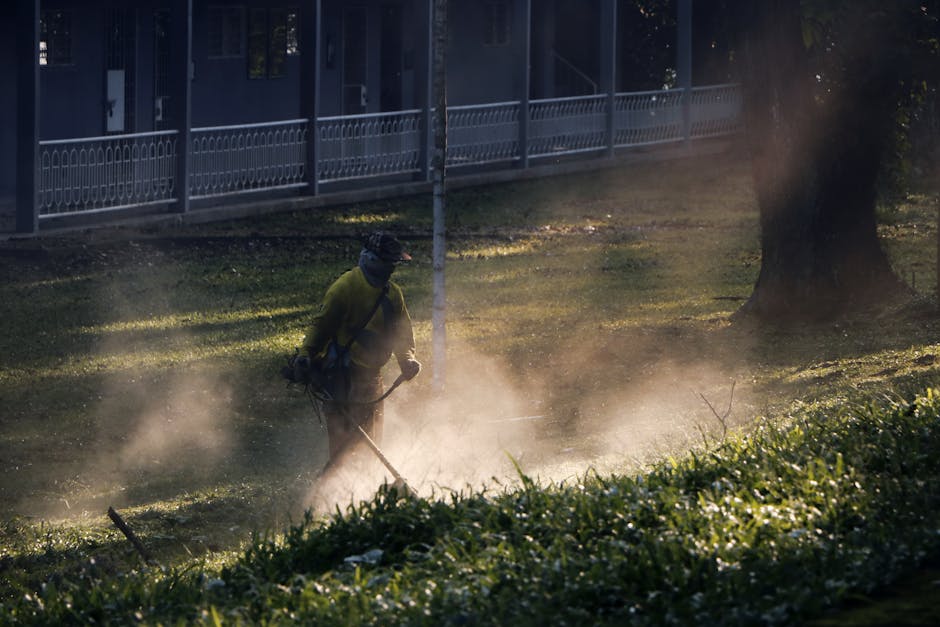
Cranford Park Garden Maintenance Experts Near TW5: Practical Local Care for Healthy, Tidy Outdoor Spaces
If you are looking for Cranford Park garden maintenance experts near TW5, you are probably dealing with one of two things: a garden that needs steady, reliable upkeep, or a space that has quietly got away from you. It happens. A few wet weeks, a busy schedule, a hedge that grows faster than you remember, and suddenly the whole place feels heavier than it should. The good news is that the right maintenance routine can bring a garden back into shape without turning it into a never-ending weekend job.
This guide explains what professional garden maintenance actually involves, why it matters around Cranford Park and TW5, how the process works, and how to judge whether a service is a good fit for your home or property. You will also find practical tips, common mistakes, a comparison table, a checklist, and answers to the questions people ask most often.
For broader service information, you may also find the services overview and about us pages useful while you compare options.
Table of Contents
- Why Cranford Park garden maintenance experts near TW5 Matters
- How Cranford Park garden maintenance experts near TW5 Works
- Key Benefits and Practical Advantages
- Who This Is For and When It Makes Sense
- Step-by-Step Guidance
- Expert Tips for Better Results
- Common Mistakes to Avoid
- Tools, Resources and Recommendations
- Law, Compliance, Standards, or Best Practice
- Options, Methods, or Comparison Table
- Case Study or Real-World Example
- Practical Checklist
- Conclusion
- Frequently Asked Questions
Why Cranford Park garden maintenance experts near TW5 Matters
A garden is not just decoration. It affects how your home feels, how easy it is to use, and even how much you notice minor problems before they turn into bigger ones. In areas around Cranford Park and TW5, gardens often face a mixed bag of conditions: shade from mature trees, compacted soil, periodic leaf fall, boundary hedges, and the usual London reality of limited time and limited storage for tools. That combination can make routine care harder than it looks.
Professional garden maintenance matters because it keeps the basics in check. Lawns are cut at the right height, borders are tidied before weeds dominate, shrubs are shaped before they become heavy, and seasonal work is handled before it becomes urgent. Truth be told, gardens do not usually fail in one dramatic moment. They slip, gradually, and that is why consistent maintenance is so valuable.
There is also a visual effect people underestimate. A trimmed edge or clean path can change the whole feel of a front or back garden in ten minutes. You notice it when you come home in the evening, especially on a grey day when everything else feels flat. A tidy garden has a way of making the house feel more settled.
Expert summary: Good garden maintenance is less about occasional heroic effort and more about steady, sensible routines. If you keep on top of the basics, the whole space becomes easier to enjoy, easier to manage, and far less stressful.
How Cranford Park garden maintenance experts near TW5 Works
Garden maintenance normally begins with a simple assessment. A good gardener will look at the overall condition of the space, note what needs immediate attention, and identify what should be scheduled for later. That might sound obvious, but it saves a lot of wasted effort. For example, there is no point cutting everything back at once if a shrub needs careful shaping rather than a hard prune.
The work itself is usually built around repeatable tasks. Think mowing, edging, weeding, pruning, deadheading, hedge trimming, leaf clearance, feeding, and occasional planting or replacement work. Depending on the property, it may also include pressure-free cleaning of paths, border tidying, weed prevention, and seasonal resets. A small garden with a few beds may need a light touch. A larger property near busy roads or shaded edges may need much more frequent attention. That part really depends.
The best services usually work in a way that keeps disruption low. Visits are planned around growth cycles and weather, not just a fixed calendar for the sake of it. In spring and summer, growth can be quick and messy; in autumn, leaf clearance and preparation matter more; in winter, structural pruning and planning often take priority. A sensible maintenance plan follows the garden, not the other way around.
If you are comparing providers, pay attention to how they talk about routine work versus one-off tidy-ups. A one-off job can make a garden look better today. Ongoing maintenance is what keeps it looking good next month.
Key Benefits and Practical Advantages
There are the obvious benefits first: a cleaner, more attractive garden and less time spent on jobs you would rather avoid. But the practical advantages go a bit deeper than that.
- Healthier plants: Regular attention helps plants get the right amount of light, space, and airflow, which reduces stress.
- Fewer outbreaks of weeds: Small weeds are far easier to remove than established ones with deep roots.
- Better seasonal timing: Pruning, mulching, and feeding work better when they happen at the right point in the year.
- Safer outdoor areas: Overgrown paths, uneven edges, and hidden debris are easier to manage before they cause problems.
- Long-term savings: Preventive care can reduce the need for larger remedial work later on.
- Less mental clutter: This one gets overlooked. A calmer outdoor space makes the whole property feel less unfinished.
There is also a small but real social benefit. If you use the garden for family time, visitors, or simply a morning tea outside, regular maintenance makes those moments easier to enjoy. No scrambling to sweep leaves from the chair. No apologising for the jungle effect. Just a space that is ready when you are.
For people who want transparent pricing and planning, it helps to review pricing and quotes before committing. Clear expectations at the start usually lead to a better experience later.
Who This Is For and When It Makes Sense
Garden maintenance is not only for people with large or high-end properties. In practice, it suits anyone who wants an outdoor space to stay usable without taking over their weekends. That includes homeowners, landlords, tenants with gardening responsibilities, and small businesses with frontage, courtyards, or shared grounds.
It tends to make the most sense in a few common scenarios:
- You have a garden that looks fine at a glance, but needs constant little jobs.
- You have just moved into a property and want to reset the space properly.
- You are preparing for a sale, rental inspection, event, or family gathering.
- The garden gets out of hand between seasonal changes.
- You know what needs doing, but not when to do it.
There is no shame in outsourcing the work, either. People often assume they should manage everything themselves because it is "only a garden". But if you have a job, family, commuting, or limited tools, the maths changes quickly. Two hours saved on a Saturday is not trivial. It is a real gain.
If you want to understand the team behind the service, the about us page can help you judge whether their approach fits what you need.
Step-by-Step Guidance
If you are hiring or planning garden maintenance near TW5, a clear process helps you avoid guesswork. Here is a straightforward way to approach it.
- Walk the garden properly. Look at lawn condition, weeds, shrubs, borders, access points, and any awkward corners. Small issues often hide near fences, sheds, and paving edges.
- Decide what matters most. Is the priority a neat front garden, a family-friendly back garden, or a full reset after months of neglect?
- Separate urgent work from routine care. Broken branches, heavy overgrowth, and blocked paths usually need attention first.
- Choose the right maintenance pattern. Some gardens need weekly visits, some fortnightly, and some only seasonal support. The right answer is the one that matches growth rate and use.
- Ask what is included. Never assume mowing, edging, pruning, and green waste handling all come as standard. Sometimes they do, sometimes they do not.
- Set a realistic plan for the year. Spring reset, summer upkeep, autumn clearance, and winter preparation each have different needs. They are not interchangeable.
- Review the results after the first visit. A good service should leave you with a visible improvement and a clear sense of what comes next.
A useful habit is to keep a short note on your phone after each visit. Nothing fancy. Just what looked better, what still needs work, and anything that annoyed you. Sounds a bit fussy, maybe, but it saves a lot of confusion later.
Expert Tips for Better Results
Small decisions often make the biggest difference in garden maintenance. Here are a few practical pointers that tend to help.
- Do not cut lawns too short. Scalping a lawn weakens it, especially during dry spells or heat.
- Prune with purpose. Remove what is needed, but do not turn every shrub into a shape it never wanted to be.
- Mulch where appropriate. A light mulch can help retain moisture and suppress weeds, particularly in borders.
- Keep edges clean. Sharp lawn and border lines make even a modest garden look more cared for.
- Watch for drainage issues. If one area always stays soggy, maintenance alone may not solve it.
- Work with the season. A garden in late March does not need the same treatment as one in mid-November.
- Leave a little room for growth. Over-tidying can create more work later. Balance matters.
Here is one of those little truths people learn the hard way: over-pruning can make a garden look neat for a week and awkward for a month. So, yes, restraint counts. A lot.
Also, if sustainability matters to you, ask about clippings, composting, and responsible disposal. You can review the company's approach on recycling and sustainability, which is especially useful if you care about how garden waste is handled.
Common Mistakes to Avoid
Garden maintenance goes wrong in predictable ways. The good news is that most of them are easy to avoid once you know what to look for.
- Waiting too long. Letting weeds, hedges, and grass run unchecked makes the next visit harder and usually more expensive.
- Ignoring the edges. Borders, fence lines, and paving joints are where a garden often starts to look untidy first.
- Using the wrong tool for the job. A hedge trimmer is not a magic solution for every shrub, despite what people may hope.
- Forgetting the season. Pruning or feeding at the wrong time can reduce plant performance.
- Assuming all maintenance is visual. Soil health, drainage, and root space matter too.
- Not agreeing the scope. Vague instructions tend to create vague results. Not ideal.
One of the biggest mistakes is trying to "save money" by skipping maintenance until the space is messy, then paying for a full rescue. In many cases, modest routine care is easier to manage and easier on the budget than repeated emergency clear-ups. Nothing dramatic there, just common sense.
Tools, Resources and Recommendations
You do not need a huge toolkit to keep a garden in shape, but the right equipment and habits make a difference. A professional maintenance service will usually bring the right cutting, clearing, and tidying tools, but it helps to understand what good practice looks like.
| Task | Useful approach | Why it helps |
|---|---|---|
| Lawn care | Regular mowing at an appropriate height | Supports healthy growth and a consistent finish |
| Weeding | Early removal by hand or with suitable tools | Stops small issues becoming established infestations |
| Hedge trimming | Light, regular shaping rather than severe cuts | Keeps structure without stressing the plant |
| Border care | Deadheading, edging, and selective pruning | Improves appearance and encourages new growth |
| Leaf clearance | Timely removal during autumn and windy periods | Prevents slippery surfaces and smothered lawns |
It is also worth asking how garden waste is managed. A tidy finish is good, but a tidy finish with responsible disposal is better. If the provider follows a sensible waste-handling approach, that is a sign they care about the whole job, not just the visible bits.
For customers who want to understand practical service standards, the insurance and safety page and health and safety policy can be reassuring. They are not exciting reading, admittedly, but they matter.
Law, Compliance, Standards, or Best Practice
Garden maintenance is not usually complicated from a compliance perspective, but best practice still matters. In the UK, anyone working on a property should operate safely, respect access arrangements, and dispose of waste properly. If you are a homeowner, landlord, or managing agent, you also want to be sure that the work is carried out in a way that protects both people and property.
Practical best practice usually includes:
- Clear scope agreement: everyone should know what is included, what is excluded, and how changes are handled.
- Safe working methods: tools should be used properly, paths should be kept clear, and access should be managed sensibly.
- Responsible waste handling: clippings, branches, and general green waste should be removed or processed appropriately.
- Respect for boundaries and neighbouring properties: hedges, overhanging growth, and shared access points often need care and communication.
- Transparent terms: payment, cancellations, and expectations should be easy to understand.
If you want to know how a company handles service terms, payment, or customer concerns, it is worth reviewing terms and conditions, payment and security, and complaints procedure. Those pages help set expectations before any work starts, which is never a bad idea.
Accessibility matters too, especially if you or someone in the household needs a site that is easier to use. The accessibility statement may be helpful in that respect.
Options, Methods, or Comparison Table
Not every garden needs the same level of support. Some people want a one-off tidy-up before selling. Others need a routine service that keeps things under control all year. Here is a simple comparison to help you think it through.
| Approach | Best for | Advantages | Watch-outs |
|---|---|---|---|
| One-off tidy-up | Overgrown gardens, pre-sale prep, seasonal reset | Fast visible improvement, flexible timing | Does not prevent future regrowth |
| Routine maintenance | Homes used regularly, front gardens, rental properties | Consistent appearance, fewer surprises | Requires ongoing scheduling |
| Seasonal visits | Lower-growth gardens, smaller outdoor spaces | More affordable, easy to plan | May not be enough during peak growing periods |
The right choice depends on how you use the garden and how fast it changes. A tiny courtyard with slow growth might be fine with seasonal attention. A hedge-lined family garden near a busy road may need a much more active schedule. There is no universal answer, despite what some ads try to suggest.
Case Study or Real-World Example
Consider a typical semi-detached home near TW5 with a front lawn, a narrow side passage, and a back garden that gets shaded late in the day. After a wet spell, the grass starts looking patchy, weeds creep into the borders, and the hedge along the boundary becomes uneven. Nothing catastrophic. Just enough to make the whole place feel a bit tired.
In that kind of situation, the first visit would usually focus on clearing the obvious clutter, trimming back overgrowth, defining edges, and removing weeds before they seed further. The second step would be to restore a sensible maintenance rhythm: maybe mowing and edging on a regular cycle, plus seasonal pruning and leaf clearance. Once the basic pattern is set, the garden becomes far easier to live with.
The real win is not just the cleaner look. It is the reduction in friction. The side path is easier to walk down, the back door area feels less cramped, and the garden stops being one of those jobs you keep mentally moving to next weekend. That's a relief, honestly.
If you are ready to discuss your own space, the best next step is to use the contact us page and request a conversation about what your garden actually needs, not just what looks dramatic on paper.
Practical Checklist
Use this checklist before booking or starting garden maintenance near Cranford Park and TW5.
- Walk the garden and note the main problem areas.
- Decide whether you need a one-off tidy-up or ongoing maintenance.
- List priority tasks: mowing, pruning, weeding, hedge trimming, leaf clearance, or border work.
- Check whether waste removal or disposal is included.
- Ask how often the garden should be revisited during the growing season.
- Confirm what is not included, so nothing is assumed later.
- Make access clear: gates, side paths, parking, and any restrictions.
- Review pricing and payment expectations in advance.
- Look at safety, insurance, and terms before work begins.
- After the first visit, check whether the result matches the agreed scope.
A small note here: if you can answer all ten points quickly, you are already ahead of most people. Really. Most garden headaches start with unclear expectations, not bad gardening.
Conclusion
Cranford Park garden maintenance experts near TW5 are a strong option when you want a garden that feels manageable, attractive, and ready to use without constant weekend catch-up. The best services do more than cut and clear. They help you maintain the right rhythm for the space, spot problems early, and keep the outdoor area looking cared for all year round.
Whether you need a one-off reset or ongoing help, focus on scope, seasonal timing, safety, and communication. That combination is usually what separates a decent experience from a frustrating one. And once the basics are in place, a garden can become one of the easiest parts of the home again. Which, let's face it, is the whole point.
Get a free quote today and see how much you can save.
Frequently Asked Questions
What do Cranford Park garden maintenance experts near TW5 typically do?
They usually handle mowing, edging, weeding, pruning, hedge trimming, leaf clearance, and general tidying. Some services also include seasonal planting, border care, and waste removal, depending on the agreement.
How often should a garden near TW5 be maintained?
That depends on the size of the garden, how quickly it grows, and how you use it. Some spaces need weekly or fortnightly attention during peak growth, while smaller or slower-growing gardens may only need seasonal care.
Is one-off garden maintenance enough?
It can be, especially if the goal is to tidy an overgrown space or prepare for an event. But if you want the garden to stay neat, a regular maintenance plan is usually more effective.
What should I ask before booking a gardener?
Ask what is included, what is excluded, how waste is handled, how often they recommend visits, and whether they have suitable insurance and safety procedures. Clear answers at the start save hassle later.
Do I need to be home during the visit?
Not always. Many jobs can be done if access has been arranged in advance. That said, for a first visit it can be useful to be available, even briefly, so the scope is understood properly.
How do I know if my garden needs a full tidy-up or routine care?
If the space looks uneven, cluttered, or difficult to use, a tidy-up may be the right first step. If the garden mostly stays in shape but gets messy over time, routine care is probably a better fit.
Can maintenance help improve the health of my plants?
Yes. Regular pruning, weeding, mulching, and proper seasonal care can reduce stress on plants and help them grow more strongly. It will not solve every issue, but it makes a real difference.
What if my garden has been neglected for months?
That is more common than people admit. A neglected garden usually needs a reset visit first, then a maintenance plan to keep it under control. Trying to tackle everything in one go can be exhausting, so a staged approach is often better.
Are green waste and clippings usually removed?
Sometimes yes, sometimes not. It depends on the service. Always check this before work starts, because garden waste can add a surprising amount of bulk after pruning or clearing.
What makes a good local garden maintenance service stand out?
Good communication, realistic advice, steady workmanship, and a sensible understanding of the season. The best providers do not oversell. They explain what the garden needs and work methodically, which is refreshing, to be fair.
Can maintenance be tailored for small gardens or front gardens?
Absolutely. Small spaces often need lighter but more frequent attention, especially if they are visible from the road. Front gardens, in particular, benefit from crisp edges and regular weed control because they shape first impressions.
How do I compare prices fairly?
Compare what is actually included, not just the headline figure. One quote might cover waste removal and pruning, while another only covers mowing. The more complete quote is not always the higher one, so read carefully.
If you want to review service standards, useful details are usually found on pages such as pricing and quotes, services overview, and about us. They help you make a more informed decision without guesswork.