Cranford Park Hedge Trimming and Gardeners Near Heathrow: A Practical Local Guide
If you are trying to keep a garden looking neat near Cranford Park or you need reliable gardeners near Heathrow, hedge trimming is often the task that makes the biggest visual difference first. A line of overgrown hedges can make a front garden feel tired, block light, or simply look a bit unloved. Get them properly shaped, though, and everything feels sharper straight away. That tidy, cared-for look matters more than people think.
This guide explains how Cranford Park hedge trimming and gardeners near Heathrow typically work, what to expect, when it makes sense to book help, and how to avoid the usual mistakes. It is written for homeowners, landlords, small businesses, and anyone who wants a garden that stays manageable rather than becoming a weekend takeover. Let's face it, hedges have a talent for growing when you are not looking.
Along the way, you will also find practical tips on maintenance, safety, seasonal timing, and choosing the right level of service for your space. If you want a broader view of what local garden care can include, it helps to look at the full services overview and then decide whether hedge trimming sits alongside other jobs like lawn care or clearance.
Table of Contents
- Why Cranford Park hedge trimming and gardeners near Heathrow Matters
- How Cranford Park hedge trimming and gardeners near Heathrow Works
- Key Benefits and Practical Advantages
- Who This Is For and When It Makes Sense
- Step-by-Step Guidance
- Expert Tips for Better Results
- Common Mistakes to Avoid
- Tools, Resources and Recommendations
- Law, Compliance, Standards, or Best Practice
- Options, Methods, or Comparison Table
- Case Study or Real-World Example
- Practical Checklist
- Conclusion
- Frequently Asked Questions
Why Cranford Park hedge trimming and gardeners near Heathrow Matters
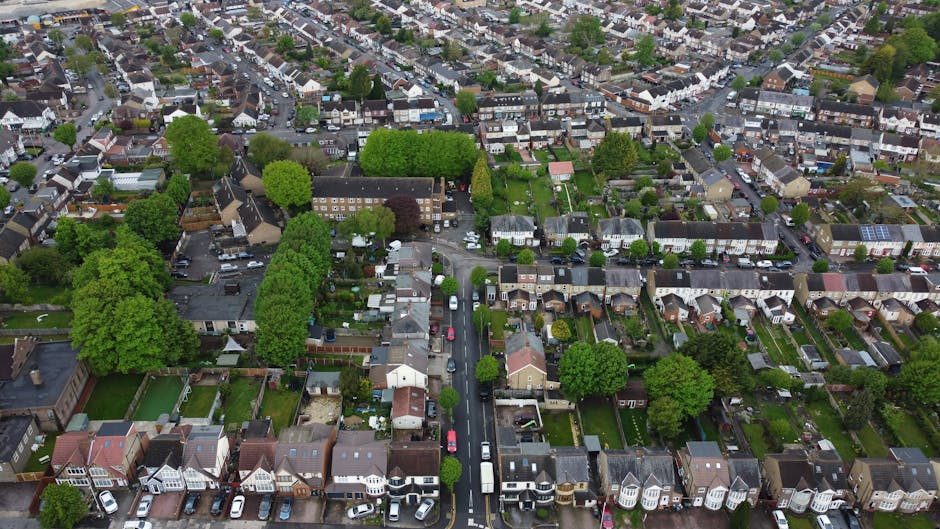
Hedge trimming is not just about appearances, though that is often the first thing people notice. Around Cranford Park and the Heathrow area, gardens can sit close to paths, driveways, boundary lines, and busy streets. That means a hedge that is too wide, too tall, or uneven can create day-to-day annoyance fast. It can shade borders, make access awkward, or start to spill into shared space. Small issue at first. Bigger one later.
For many properties, a hedge is part boundary, part privacy screen, part windbreak, and part visual frame for the whole garden. If it is neglected, the garden can start to feel cramped or shabby. If it is trimmed well, the opposite happens: the whole plot looks more intentional, calmer, and easier to use.
Near Heathrow, there is also a practical rhythm to garden care. Some properties are busy with parking, deliveries, rental turnover, or constant coming-and-going. That means maintenance has to be efficient and tidy, with minimal disruption. A good gardener understands that. They do the job, clear the waste, and leave things orderly rather than expecting you to chase up the aftermath.
In our experience, many people do not actually need a full garden overhaul. They need recurring maintenance that stops the hedge from becoming a quarterly crisis. That is where local gardeners can be genuinely useful, especially when hedge trimming is paired with seasonal garden maintenance.
If you are planning broader upkeep, the dedicated garden maintenance service is often the simplest way to keep hedges, borders, lawns, and general tidiness in step with one another.
How Cranford Park hedge trimming and gardeners near Heathrow Works
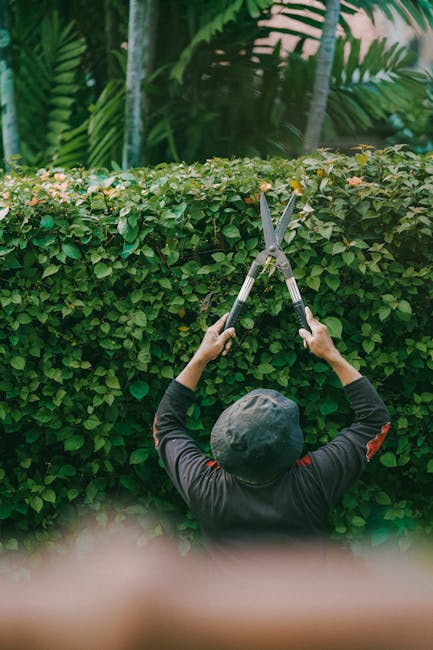
The process is usually more straightforward than people expect. A proper hedge trim begins with a quick assessment of the hedge's shape, height, density, and condition. Then the gardener decides how much to remove and what style best suits the plant and the property. Formal hedges tend to be cut flatter and sharper. More informal hedges may need a lighter, more natural profile.
Good hedge trimming also depends on timing. Some hedges respond well to a light trim during the growing season, while others should be handled more cautiously. The point is not simply to cut back what is visible. It is to support healthy regrowth and avoid damaging the plant. A hedge can look neat for two weeks and then turn ragged if the cut was wrong. Nobody wants that sort of false economy.
A local gardener will normally:
- check access around the hedge
- identify dead, diseased, or awkward growth
- trim to improve shape and balance
- avoid cutting too aggressively into old woody sections unless appropriate
- collect and remove arisings, where agreed
- check the finished line from different angles, because hedges can lie to you a bit from one viewpoint
Depending on the property, hedge trimming may be part of a wider visit that includes mowing, clearing, pruning, or minor landscape tidying. If the hedge has become severely overgrown, a gardener may suggest more than a trim. In those cases, garden clearance or even tree lopping and removal might be relevant if larger woody growth is affecting the space.
Key Benefits and Practical Advantages
There are the obvious benefits, and then there are the ones people notice after a month or two. Both matter.
1. Better kerb appeal
Trimmed hedges instantly make a front garden look cared for. That matters whether you are living in the property, letting it out, or preparing for a sale or inspection.
2. More light and usable space
When hedges are cut back properly, paths feel wider, borders get more daylight, and garden areas are easier to use. You can actually reach things without doing the awkward sideways shuffle through branches.
3. Reduced maintenance later
Regular hedge trimming is usually less disruptive than leaving the hedge for months and then dealing with a heavy correction cut. Keep on top of it and the job stays simpler. Truth be told, most outdoor jobs work this way.
4. Better plant health
Careful trimming encourages balanced growth and can help avoid the stress that comes from hacking at a hedge all at once. The right approach keeps the hedge dense where you want screening and open where you need structure.
5. Less mess and safer access
Overgrown hedges can obscure sightlines, narrow entrances, and drop clippings everywhere. Neat trimming reduces all of that, especially when the work includes a proper clear-up.
6. Easier scheduling around busy homes and businesses
For properties near Heathrow, convenience matters. A local gardener can often fit maintenance into a sensible routine so the garden does not become another thing on an already full list.
Expert summary: The best hedge trimming is not the most dramatic cut. It is the one that leaves the hedge healthier, tidier, and easier to manage next month, not just today.
Who This Is For and When It Makes Sense
This kind of service suits a surprisingly wide range of people. If you recognise yourself in any of the examples below, hedge trimming probably deserves a place on your maintenance list.
- Homeowners who want a neat boundary, better privacy, or a cleaner first impression.
- Landlords and letting agents who need exteriors to look presentable between tenancies or inspections.
- Busy families who know the hedge needs attention but cannot spare the time or equipment.
- Older homeowners who would rather avoid ladders, heavy tools, and the bend-twist-repeat that hedge trimming often demands.
- Small businesses where the outdoor space sets the tone before a client even walks in.
It also makes sense when the hedge starts causing practical problems. For example, if it blocks visibility when reversing off a drive, presses against fences, or crowds out a narrow side passage, waiting longer usually makes the job more difficult. There is a sweet spot, and you can miss it quite easily if life gets busy.
Some people try to do all hedge work themselves until the hedge gets taller than the ladder. At that stage, hiring a local gardener is less about luxury and more about common sense.
If you want hedge work handled as part of an ongoing schedule, the dedicated hedge trimming service is the most direct place to start.
Step-by-Step Guidance
Here is a practical way to think about getting hedge trimming done properly, from the first decision to the final clean finish.
- Walk the boundary first. Look at both sides of the hedge if you can. Check for gaps, uneven sections, low branches, and any areas that are encroaching on paths or neighbours.
- Decide the purpose of the trim. Is the goal shape, height reduction, more light, better access, or just a tidy-up? Different goals lead to different cuts.
- Check the hedge type. Some hedges tolerate regular cutting very well. Others need a lighter hand, especially if they are older or have woody growth inside.
- Choose the right timing. Avoid trimming at random just because the hedge looks messy on a Saturday morning. Think about growth season, nesting birds, and the condition of the plant.
- Clear the area. Move pots, toys, tools, and any breakables. It sounds obvious, but people forget one flowerpot and then spend the day apologising to themselves.
- Trim in stages if needed. For very overgrown hedges, gradual reduction is often safer and looks better than taking too much off in one go.
- Step back and check symmetry. A hedge can look straight when you are standing close to it and slightly off when viewed from across the garden. That is why finishing checks matter.
- Collect and dispose of waste properly. A good finish is not just a neat hedge; it is a neat garden afterwards.
- Plan the next visit. If the hedge grows quickly, set a maintenance rhythm before it becomes a problem again.
If your outdoor space needs more than a single cut, combining hedge trimming with lawn mowing or broader landscape gardening can save time and keep the whole garden looking coordinated.
Expert Tips for Better Results
A few small choices make a big difference to the final result. They really do.
Keep the top slightly narrower than the base. This helps the whole hedge receive light and reduces the chance of the lower sections thinning out. It is a simple rule, but it is often ignored.
Do not chase perfection on every single leaf. A hedge does not need to look machine-cut to look smart. In fact, overworking the surface can leave it looking harsh. A clean line with a living, healthy feel is usually best.
Think about the season and the weather. Wet conditions, strong winds, or very hot spells can make trimming less comfortable and less effective. A damp hedge can clump and cling. A dry hedge can shed little bits everywhere. Small things, but they add up.
Trim little and often where possible. Light, regular maintenance is easier on the plant than dramatic emergency cuts. It also means the hedge stays useful as a screen rather than becoming a scruffy wall that needs rescuing every few months.
Match the finish to the property. A formal front hedge by a driveway usually needs a different look from a relaxed hedge at the edge of a larger back garden. The wrong style can feel slightly odd, even if it is neatly done.
Ask for waste removal clarity. Some jobs are quoted with disposal included, some are not. Better to know before the pile of cuttings grows into a small compost hill. Nobody enjoys that surprise.
Build the hedge into the rest of the garden routine. Hedges, lawns, beds, and paths all influence how tidy the place feels. They are not separate worlds.
Common Mistakes to Avoid
Most hedge problems come from a few familiar errors. Avoid these and you will usually get a better result, with less stress and fewer do-overs.
- Cutting too much at once. Heavy reduction can shock some hedges and leave bare patches that take time to recover.
- Ignoring the base. If the top is always cut hard but the base is left to spread, the hedge can become awkwardly top-heavy.
- Using blunt tools. Blunt blades tear rather than cut cleanly. The hedge often looks rougher afterwards and may recover more slowly.
- Skipping the clear-up. Clippings left in borders or on lawns can rot, smother smaller plants, and make the whole job look half-finished.
- Forgetting neighbours and boundaries. If your hedge is shared or close to a boundary, communication matters. It saves tension later.
- Not checking for nesting birds or wildlife. In the UK, that is a real consideration. If there is active wildlife in the hedge, trimming should be delayed or approached with care.
- Leaving overgrown hedges until access is blocked. Once a hedge starts interfering with gates, paths, or sightlines, the job becomes less simple and sometimes more costly.
It is a bit like housework, really. Leave a small job alone too long and it stops being small.
Tools, Resources and Recommendations
Good hedge trimming depends on using the right tools for the hedge's size and condition. For a light tidy-up, hand shears or compact trimmers can be enough. For thicker, taller, or more established hedges, powered tools may be more suitable, provided they are used carefully and with the right safety gear.
Useful things to have in mind include:
- Sharp cutting equipment for cleaner cuts
- Stable access equipment where height is involved
- Eye and hand protection to reduce the risk of debris and scratches
- Waste sacks, tarps, or collecting tools to make clear-up quicker
- A rough plan for hedge shape before the first cut is made
From a homeowner's point of view, the best recommendation is usually simple: do not buy more kit than you will realistically use. Many people end up with a perfectly respectable hedge, a wobbly ladder, and a tool they use twice a year. The garage begins to look like a minor depot.
If the work is part of a bigger refresh, you might also consider landscaping for problem areas, or decking services if you are reworking how the garden is used. That can be especially helpful where hedge work reveals a space that could be more practical overall.
For service expectations, materials, and payment details, it is sensible to review pricing and quotes and the site's payment and security information before booking. If sustainability matters to you, take a look at the approach to recycling and sustainability as well.
Law, Compliance, Standards, or Best Practice
Hedge trimming in the UK is not usually a heavily regulated activity for ordinary domestic gardens, but there are still important best-practice points to keep in mind. These are less about red tape and more about doing the job responsibly.
Wildlife awareness matters. If a hedge contains active nesting birds or visible signs of habitat use, work should be postponed or carried out with caution. That is both sensible and respectful. Gardens are lived-in spaces for wildlife too.
Health and safety matters. Any work involving ladders, height, or powered tools should be handled carefully. Good practice includes planning access, checking equipment, and keeping the working area clear. If a provider has a clear health and safety policy and insurance and safety information, that is a reassuring sign.
Neighbour relations matter. If a hedge grows over a boundary or starts affecting a neighbouring property, it is best to deal with it calmly and openly. Most issues are easier to solve with a conversation than with a tense note through the door.
Business and letting standards matter. For managed properties, expectations are usually about presentation, access, and regular upkeep. A tidy hedge can make a surprising difference to first impressions and inspection outcomes.
It is also worth checking the provider's approach to service standards more generally. Pages such as about us, complaints procedure, and terms and conditions help set expectations before any work begins. That kind of transparency matters more than people admit. It builds trust, plain and simple.
Options, Methods, or Comparison Table
Different hedge situations call for different approaches. A quick comparison can help you decide what suits your garden best.
| Approach | Best for | Strengths | Watch-outs |
|---|---|---|---|
| Light seasonal trim | Healthy hedges that are already manageable | Keeps shape tidy, supports regular growth, less disruptive | Needs consistency; can slip if missed too long |
| Shaping and reduction | Hedges that have become too wide, tall, or uneven | Restores balance and improves access | May need a phased approach to avoid stress |
| Full garden maintenance visit | Properties needing several jobs at once | Efficient, coordinated, less back-and-forth | May be more than you need for a simple hedge-only job |
| Clearance-focused visit | Very neglected or overgrown spaces | Useful reset when the garden has got away from you | Less about finesse, more about reclaiming the space first |
For many households near Heathrow, the sweet spot is a regular maintenance approach with occasional correction work when needed. It keeps the garden from swinging between perfect and chaotic. That kind of swing is exhausting, honestly.
Case Study or Real-World Example
Picture a typical semi-detached property near Cranford Park with a hedge along the front boundary and another running beside a narrow side path. The front hedge is not dramatic, just dense enough to make the frontage look uneven and a bit heavy. The side hedge has started to narrow the walkway, so carrying bins through it is annoying. Not impossible. Just mildly irritating every week, which is often worse.
A sensible local gardener would usually start with a measured trim rather than a hard cut. The front hedge might be shaped to open the view from the pavement and restore a crisp line across the top. The side hedge might be reduced just enough to improve access without exposing bare wood. Clippings would then be removed, edges tidied, and the homeowner shown what could be maintained on a regular schedule rather than left to build up again.
The difference after that kind of visit is usually immediate. The frontage looks lighter. The side path feels safer and easier to use. The whole property feels looked after. Nothing flashy. Just a very noticeable improvement.
And that is often the point, isn't it? Not a grand redesign, just a garden that stops getting in your way.
If the garden needs a broader refresh after hedge work, a combination of garden maintenance and targeted trimming often gives the best long-term result. If the place is badly overgrown, garden clearance may be the better first step.
Practical Checklist
Use this quick checklist before you book or before work starts.
- Walk the hedge line and note problem areas.
- Decide whether you need a trim, reduction, or full tidy-up.
- Check for access issues, parked cars, bins, or obstacles.
- Think about privacy, light, and boundary concerns.
- Ask whether waste removal is included.
- Confirm whether the work is a one-off or part of a regular schedule.
- Check the provider's service information and standards.
- Make sure safety and insurance details are easy to understand.
- Consider whether other jobs, like mowing or clearance, should be done at the same time.
- Plan the next maintenance date before the hedge grows back into a problem.
Quick rule of thumb: if you are starting to notice the hedge every day, it is probably time to do something about it.
Get a free quote today and see how much you can save.
Conclusion
Cranford Park hedge trimming and gardeners near Heathrow are really about keeping outdoor spaces usable, tidy, and easy to live with. That sounds simple, but it makes a big difference day to day. A neat hedge can improve privacy, daylight, access, and the overall feel of a property without needing a major redesign.
The best results usually come from regular care, sensible timing, and a gardener who understands that the job is not just cutting greenery. It is shaping the space so it works better for you. Whether you need a light tidy, a more serious correction, or a maintenance plan that keeps everything under control, the right approach should feel calm and straightforward.
If you have been putting it off, that is fine. Most people do. But once the hedge is sorted, the garden often feels lighter in a way that is hard to ignore. A small reset, really. And a good one.
Frequently Asked Questions
How often should hedges be trimmed near Cranford Park?
It depends on the hedge type and how formal you want it to look. Many hedges benefit from regular light trimming rather than waiting for one big cut each year. If it is starting to crowd paths or lose shape, it is probably due.
What is the difference between hedge trimming and hedge reduction?
Trimming is mainly about shape and tidiness. Reduction is more about lowering height or width. Reduction is usually a bigger intervention and may need a more cautious, phased approach if the hedge is mature.
Can gardeners near Heathrow work around busy access or parking?
Yes, in many cases they can. It helps to explain access, parking, and any timing restrictions in advance. Near Heathrow, clear planning matters because many properties have limited space or busy front access.
Is it better to trim hedges in spring, summer, or autumn?
There is no single answer for every hedge. Some hedges are best lightly maintained during the growing season, while others may need a more seasonal approach. Wildlife, weather, and hedge type all matter.
What should I do if my hedge is badly overgrown?
Start by checking whether it needs a gradual reduction rather than a hard cut. Very overgrown hedges can sometimes be restored, but it is often better to approach them carefully. If the area is severely neglected, garden clearance may come first.
Will hedge trimming damage my plants?
Not when it is done properly. A careful trim supports healthier, more balanced growth. Problems usually happen when a hedge is cut too hard, at the wrong time, or with blunt tools.
Do I need to be home when the hedge is trimmed?
That depends on the service arrangement and access. Some people prefer to be there for the first visit, especially if there are boundary concerns or instructions about what should be kept back. Others are happy to leave clear notes.
Can hedge trimming be combined with lawn mowing or other garden work?
Absolutely. In fact, combining hedge trimming with lawn mowing or general maintenance often gives a better overall finish and can be more efficient than booking each job separately.
What makes a good hedge trimming service?
Clear communication, proper waste removal, attention to shape, and a sensible understanding of the hedge's condition all matter. Safety and insurance information should also be easy to understand, especially where ladders or powered tools are involved.
How do I know whether I need a local gardener or a bigger landscaping job?
If the main issue is tidiness, shape, or routine care, a gardener is usually the right fit. If the hedge work is part of a broader redesign, or the space has deeper layout issues, then landscaping may be the better option.
Are hedge trimmings recycled or removed?
That depends on the provider and the agreed service. Some gardeners remove all waste, while others may offer recycling or responsible disposal as part of the visit. It is sensible to ask before the work starts.
Where can I find more about the company's standards and policies?
Useful pages to review include the about us page, the insurance and safety information, and the complaints procedure. They help set clear expectations from the start.