Gardening for difficult access in Cranford trusted gardeners
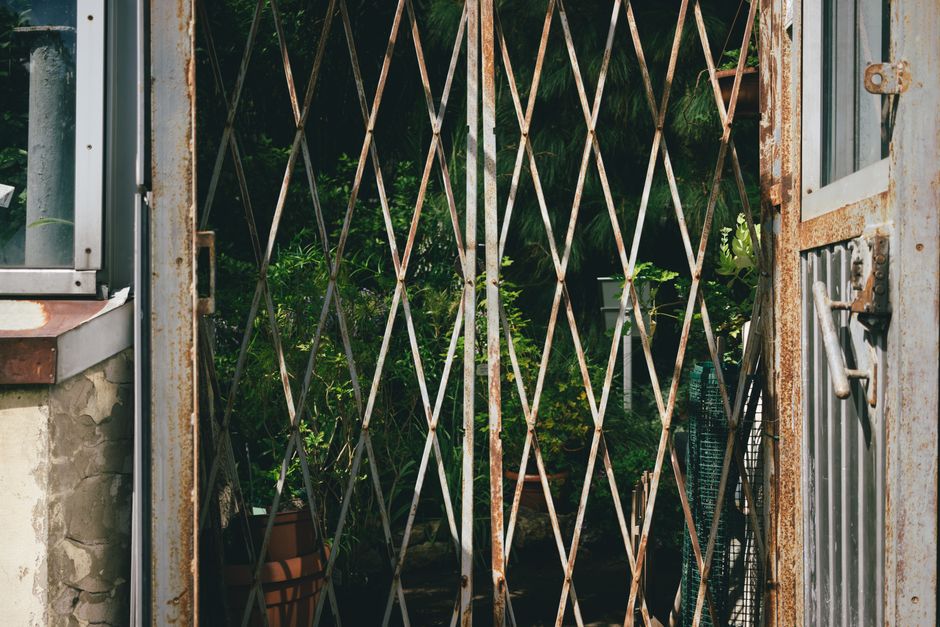
If your garden is tucked behind a narrow side passage, split over levels, or boxed in by fencing, you already know the frustration: the work is simple enough in theory, but getting tools, waste, and even people into the space is the hard part. That is exactly where Gardening for difficult access in Cranford trusted gardeners becomes valuable. It is not just about mowing grass or trimming hedges. It is about planning the job so it can actually be done safely, neatly, and without turning your property into a mess. In a tight Cranford garden, the difference between a smooth visit and a stressful one often comes down to preparation, the right kit, and a crew that knows how to work carefully in awkward spaces.
This guide explains how difficult-access gardening works, what to expect, who it suits, and how trusted gardeners approach the practical side of tight entry, steep steps, awkward corners, and restricted clearance. You will also find a checklist, a comparison table, and a realistic example from the sort of job people often underestimate. Truth be told, those are the jobs where experience really matters.
- Why it matters
- How it works
- Key benefits
- Who this is for
- Step-by-step guidance
- Expert tips
- Common mistakes to avoid
- Tools and recommendations
- Law, compliance and best practice
- Options and comparison table
- Real-world example
- Practical checklist
- Frequently asked questions
Why Gardening for difficult access in Cranford trusted gardeners Matters
Gardens with difficult access are more common than people think. In Cranford, you may have side passages that are too narrow for bulky equipment, stepped rear access, shared walkways, terraced layouts, or gardens hidden behind garages and extensions. On paper, it sounds manageable. In real life, it can be a bit of a juggle.
Why does this matter so much? Because poor access changes almost every part of the job. A simple hedge trim may require hand tools instead of long-reach machines. A routine tidy-up may need waste to be carried out in smaller loads. Even a quick lawn cut can take longer if the mower has to be moved through a tight gate and over uneven paving. The work itself is still gardening, but the logistics become the real challenge.
Trusted gardeners approach these spaces with a different mindset. They look at the site before they look at the task. They think about where to park, how to bring in tools, how to protect surfaces, and how to leave the garden tidy without crushing borders or scraping walls. That planning is what saves time, protects your property, and reduces the risk of damage.
There is also a trust element here. If someone is going to squeeze equipment through a cramped side return, carry waste through your home, or work near fragile planting, you want them to be careful, insured, and used to doing things properly. The best results come from gardeners who understand that access limitations are not a nuisance to be worked around casually. They are part of the job.
For many households, a difficult-access garden quietly gets neglected because the task feels too awkward to start. That is where the right support makes a genuine difference. It turns a job you keep putting off into something manageable again.
How Gardening for difficult access in Cranford trusted gardeners Works
The process usually starts with an access assessment. This does not need to be formal or dramatic. It is often a practical look at the route in and out, the width of gates, steps, slopes, surfaces, and any features that could affect movement. A good gardener wants to know whether they can move safely, whether waste can be removed efficiently, and whether any delicate areas need protection.
From there, the work is broken into smaller, more realistic stages. Instead of assuming large machinery will fit, the gardener may plan to use compact tools, modular equipment, or hand-clearance methods. If there is overgrowth, they may begin with cutting back access routes before tackling the main work. That sounds obvious, but people often skip it and then wonder why the job feels twice as hard.
Waste handling is another major part of the process. In a difficult-access garden, green waste often has to be bagged, stacked, or moved in stages rather than wheeled directly to the front. A tidy workflow matters here. If cuttings are left in the path, they become trip hazards and make the next trip awkward. A well-run team keeps the route clear as they go.
Trusted gardeners also adapt their method to the garden itself. A small courtyard with pots and raised beds needs a different approach from a long rear garden with a narrow alley. A sloped plot needs different movement and different equipment. A good team reads the site rather than forcing the site to suit the tool, which is usually where the trouble starts.
If the work links into broader property improvements, it may overlap with services like garden maintenance, garden clearance, or even landscaping. That can be useful when access issues are being addressed alongside the garden itself, not separately.
Key Benefits and Practical Advantages
The biggest advantage is simple: the work gets done properly without unnecessary stress. But there are several smaller benefits that matter just as much in day-to-day life.
- Less risk of damage to fences, paving, wall finishes, and planting.
- Cleaner results because waste is managed as part of the job rather than left until the end.
- Better efficiency when the team has a plan for awkward entry points.
- Safer working conditions for the gardeners and for anyone living on-site.
- More realistic maintenance for gardens that would otherwise be ignored.
There is also a confidence benefit for the homeowner. Once you know the garden can be accessed and maintained properly, it becomes far easier to stay on top of it. People often tell themselves they will deal with a messy side return or overgrown back plot "next month". Then another month passes. Then another. Difficult access tends to create delay, and delay creates more work. Not exactly a win.
When the access problem is handled well, you tend to see a knock-on effect across the whole garden. Paths stay clear. Growth is easier to control. Seasonal tasks are less intimidating. That is especially noticeable in tight urban gardens where moisture, shade, and limited airflow can make vegetation feel a little more unruly than it looks from the kitchen window.
For many properties, the practical advantage is not glamour. It is relief. You can finally enjoy the space rather than worry about how to reach it.
Who This Is For and When It Makes Sense
This type of gardening is a strong fit for anyone whose outdoor space is difficult to reach or awkward to work in. That includes homeowners with narrow side access, tenanted properties where the back garden is only reachable through a tight passage, and landlords who need reliable upkeep without turning every visit into a logistical exercise.
It also makes sense if you have any of the following:
- a garden behind a terrace or end-terrace property
- limited gate width or a steep or uneven route in
- steps, slopes, or split levels
- dense planting that blocks movement
- heavy waste build-up that is difficult to remove
- previous work left unfinished because access was too awkward
Sometimes the issue is not the garden itself but the scale of the task. A tiny courtyard can be more fiddly than a large open plot, because every movement has to be deliberate. A well-kept but cramped garden may need careful hedge work, a compact mowing routine, or seasonal tidying. A neglected garden may need clearance before maintenance can begin. There is no one-size-fits-all answer, which is annoying, but true.
If your garden is part of a broader outdoor project, you may also want to look at services overview pages to understand how maintenance, clearance, trimming, and layout work can fit together. The right sequence often matters more than the individual task.
And if your priority is finding a team you can actually trust in a tight space, it is worth paying attention to the business itself as much as the service. A company's about us information can help you judge how they work, while practical pages such as insurance and safety and health and safety policy give useful reassurance. In awkward-access jobs, those details matter.
Step-by-Step Guidance
If you are planning work in a garden with difficult access, the safest approach is to think in stages. Rushing the process usually causes extra trips, more mess, and a job that feels far harder than it should.
- Assess the access route. Measure the gate, note steps or slopes, and check for tight corners, fragile surfaces, or low branches.
- Identify the main task. Is the job maintenance, trimming, mowing, full clearance, or a mix? That determines equipment and timing.
- Choose the right method. Hand tools, compact cutters, lightweight mowers, or staged clearance may be better than forcing larger kit into the space.
- Protect the property. Cover or avoid delicate surfaces, move ornaments if needed, and keep the route as clear as possible.
- Work from access outward. In many gardens, it helps to clear the path first so the rest of the job can progress without backtracking.
- Manage waste continuously. Bag, stack, or remove cuttings in manageable loads rather than building a mountain of debris halfway through.
- Finish with a tidy review. Check edges, pathways, gates, and the route out. The final tidy is not a bonus; it is part of the job.
A small but useful point: communication saves time. If there is a locked gate, a shared passage, a neighbour's access constraint, or a fragile surface that needs special care, mention it early. The job goes more smoothly when nobody is discovering surprises at the back door with a mower in hand. Been there, done that, not ideal.
For more intensive overgrowth or site reset work, it can help to combine maintenance with garden clearance and follow up later with routine lawn mowing or hedge trimming. That layered approach is often more realistic than trying to do everything in one pass.
Expert Tips for Better Results
Experienced gardeners tend to develop a few habits that save a lot of trouble in awkward spaces. None of them are flashy. That is kind of the point.
- Keep routes narrow but clear. Too many tools scattered around a tight garden slows everything down.
- Use smaller, more frequent cuts. With limited access, regular maintenance usually works better than occasional big interventions.
- Choose the quietest practical method. In close-knit housing, less noise can be a courtesy as well as a preference.
- Watch the weather. Wet paving, slippery steps, and muddy paths make difficult access even trickier. A dry morning can be a lot easier than a damp afternoon.
- Think about waste before you start. If you know where the cuttings will go, you avoid constant stop-start movement.
Another useful habit is to work with the garden's shape, not against it. A long, narrow plot often benefits from linear movement, while a compact courtyard may be better tackled zone by zone. For border-heavy spaces, a careful hand finish can make the whole garden feel more open without any hard landscaping at all.
If you are considering wider changes, features such as patios, steps, or raised areas can affect access too. In that case, it may be worth reviewing decking services or landscape gardening options so future maintenance is easier. Good design is not just about looks. It is about making the garden workable six months later when the novelty has worn off and the weeds have not.
Small practical note: keep a notebook or a phone note of what worked last time. Which gate was easiest? Which path needs extra care? Which bed always gets bruised by bulky movement? That tiny bit of memory saves time next visit. Simple, but useful.
Common Mistakes to Avoid
Difficult-access gardening is one of those tasks where small mistakes snowball. The job is already constrained, so avoid making it harder than it needs to be.
- Assuming standard equipment will fit. It often will not, or not comfortably.
- Ignoring waste removal until the end. That leaves no room to move and makes the garden feel cramped very quickly.
- Working without checking surfaces. Loose slabs, soft turf, and narrow steps can all create avoidable problems.
- Overlooking neighbour or shared-access issues. In Cranford's tighter residential layouts, this can cause delays or awkward conversations.
- Trying to do too much in one visit. Sometimes the best result comes from a staged plan, not a heroic one-off effort.
One of the most common mistakes is underestimating the time required. A simple prune might become a two-stage task if access is poor and waste has to be moved by hand. That is not a failure. It is just the reality of the site. Better to plan honestly than to force a rushed finish and end up with half-done edges and tired shoulders.
Another easy trap is forgetting aftercare. If a garden has been cleared back to improve access, it may need regular visits afterwards to keep it manageable. Otherwise the same problem grows back, which feels a bit rude, to be fair.
Tools, Resources and Recommendations
In difficult-access gardening, the right tools are usually compact, light, and flexible rather than large and powerful. That does not mean the work is any less professional. It simply means the equipment suits the environment.
| Method | Best for | Strengths | Limitations |
|---|---|---|---|
| Hand tools | Tight courtyards, delicate borders, small clearance jobs | Precise, quiet, easy to carry | Slower for larger jobs |
| Compact powered tools | Restricted access with some open working room | Efficient without being too bulky | Still need safe handling and battery management |
| Sectional clearance | Overgrown gardens and waste-heavy jobs | Reduces clutter and keeps routes open | Can take longer than a single-pass approach |
| Routine maintenance visits | Gardens that become unmanageable if left too long | Keeps access routes workable | Needs consistency |
For property owners who want a cleaner, more manageable outdoor space, it can help to combine maintenance with targeted service planning. For example, a narrow side return may need regular garden maintenance, while a larger back area might benefit from periodic clearance followed by structured upkeep. If hedges are blocking access, hedge trimming can make a surprising difference to how usable the garden feels.
It is also sensible to think about the wider organisation behind the service. Clear payment information, decent communication, and sensible service terms all help when the job is more complex than usual. Pages such as pricing and quotes and payment and security can give you a better feel for how things are handled before work begins.
Law, Compliance, Standards, or Best Practice
For this kind of work, the main concern is not some obscure rulebook. It is sensible, careful practice. That said, there are a few areas where professionalism matters.
Gardeners working in cramped or awkward spaces should use proper risk awareness, safe lifting habits, and suitable equipment. If waste is being removed, it should be handled responsibly. If tree work is involved, the risk profile changes and the job should be assessed properly before anything is cut. If access routes cross neighbouring land or shared spaces, permission and courtesy matter just as much as technique.
Trusted providers should also be transparent about insurance and safety arrangements. That is not over-cautious; it is standard good practice. A difficult-access job has more opportunities for accidental scuffs, trips, or tool mishaps, especially when steps, wet paving, or tight corners are involved. It is sensible to know that the team has thought about that before they arrive.
If you want to understand how a business approaches those responsibilities, it helps to review its published policies, including insurance and safety, health and safety policy, recycling and sustainability, and accessibility statement. Those pages are not glamorous, granted, but they say a lot about how carefully a company is run.
For terms, expectations, and how jobs are handled, it is also worth checking the practical details in the company's terms and conditions and, where relevant, the complaints procedure. Nobody hopes to need that last one, but a responsible business makes it easy to find.
Options, Methods, or Comparison Table
If you are deciding how to approach a difficult-access garden, the choice usually comes down to whether you want a one-off reset, a staged improvement, or regular maintenance. Each has its place.
| Approach | Best when | Pros | Trade-offs |
|---|---|---|---|
| One-off clearance | The garden is heavily overgrown or blocked | Quickly restores access and visibility | May not prevent regrowth without follow-up |
| Scheduled maintenance | The garden is already usable but hard to keep tidy | Keeps access routes manageable | Requires consistency |
| Combined clearance and landscaping | You want to improve layout as well as maintenance | Can make future access easier | Takes more planning up front |
For many Cranford homeowners, the best choice is a combination: clear enough to create access, then maintain enough to stop the garden from sliding back into difficulty. If the layout itself is part of the problem, broader landscaping or a well-planned redesign may be worth considering. A garden that is easier to walk through is often easier to care for too. Funny how that works.
Case Study or Real-World Example
Picture a narrow rear garden behind a terraced property. The only route in is a slim side passage with one slight bend, a couple of shallow steps, and a gate that barely clears a standard mower handle. The garden itself is not huge, but the access makes it feel like a much larger problem.
In a case like that, a trusted gardener would usually start by clearing the access line first. Light hand tools come through before heavier kit. Any loose debris near the gate is removed early so nothing gets trodden into the paving. Hedge growth that is narrowing the route is cut back before the main work begins. If the lawn is patchy and not worth tackling with a full-size machine, a compact mowing method or manual finish may be the smarter option.
What tends to surprise people is how much tidier the space looks once the access route is sorted. You notice the light again. The back of the garden stops feeling hidden and starts feeling like part of the home. And yes, there is usually a small sigh of relief when the final bag of waste is out and the path is clear.
That kind of job is also where reliable communication makes a difference. A short walk-through at the start, a few clear decisions on method, and a tidy finish at the end. Nothing theatrical. Just calm, careful work done in the right order.
Practical Checklist
Use this quick checklist before booking or starting difficult-access garden work:
- Measure the narrowest point on the access route.
- Check for steps, slopes, or uneven surfaces.
- Identify where tools and waste will enter and leave.
- Decide whether the job is maintenance, clearance, or both.
- Flag any fragile paving, ornaments, or planted areas.
- Make sure gates, locks, and shared access arrangements are understood.
- Ask how waste will be removed from the site.
- Confirm that the team is comfortable working in tight spaces.
- Review trust signals such as about us, insurance and safety, and health and safety policy.
- Plan for follow-up maintenance so the access does not become blocked again.
Key takeaway: difficult-access gardening is less about brute force and more about smart planning. If the route is understood, the tools are suited to the space, and waste is managed carefully, even awkward gardens in Cranford can be maintained well without drama.
Conclusion
Gardening for difficult access is one of those services that sounds niche until you actually need it. Then it becomes very real, very quickly. A tight gate, a shared passage, a steep set of steps, or a cramped rear plot can make ordinary garden work feel far more complicated than it should. The good news is that the problem is manageable when the method is thoughtful and the people doing the work know what they are looking at.
Trusted gardeners bring more than tools. They bring judgement, patience, and a practical way of working that respects your property as well as the garden itself. That is especially useful in Cranford, where homes often have layouts that reward careful planning and punish guesswork. If you want the space to feel usable again, the right approach can make a real difference.
And once the awkward bit is handled, the garden usually feels lighter. Easier to move through. Easier to enjoy. That's the bit people remember.
Get a free quote today and see how much you can save.
Frequently Asked Questions
What does difficult-access gardening actually mean?
It means garden work in spaces that are awkward to reach or move around in, such as narrow side passages, stepped access, tight gates, or enclosed rear gardens. The task is still gardening, but the route in, the equipment, and the waste handling all need more thought.
Can a trusted gardener work in a garden with a very narrow side passage?
Usually, yes, if the passage is wide enough for safe movement and the job is planned properly. In many cases, compact tools and hand-carry methods are used instead of larger equipment. The key is assessing the route first rather than assuming standard kit will fit.
Is difficult-access gardening slower than normal garden work?
Often it is. Even a simple job can take longer when tools and waste have to be moved in smaller loads. That does not mean the work is inefficient; it just reflects the practical reality of the space.
What kind of jobs are most common in awkward-access gardens?
Routine maintenance, hedge trimming, lawn mowing, light clearance, and seasonal tidying are very common. In more overgrown gardens, clearance may come first so access can be restored before regular maintenance begins.
Will the gardener need to come through my house?
Not always. Some gardens have usable side access or rear routes, while others may require careful passage through the property if that has been agreed. A good gardener will discuss this beforehand so there are no surprises on the day.
What should I do before booking a difficult-access garden visit?
Measure the narrowest points, note any steps or slopes, and mention anything fragile or awkward. It also helps to explain whether you need clearance, maintenance, or both. A little detail up front saves a lot of faffing about later.
How do gardeners remove waste from a hard-to-reach garden?
Usually by bagging it in manageable loads, using careful staged removal, or breaking the work into sections so the route stays clear. The method depends on the access route and the amount of waste created.
Are there safety concerns with difficult-access gardening?
Yes, mainly around lifting, slips, trips, and protecting surfaces or nearby structures. That is why insurance, safe working practices, and sensible planning matter so much in these jobs.
Can difficult-access gardening include landscaping changes?
Yes. In some cases, layout changes can make future maintenance easier. If paths are too tight or the garden is cluttered with hard-to-reach areas, modest landscaping improvements may help long term.
How often should a difficult-access garden be maintained?
That depends on growth, layout, and how quickly the access route closes in again. Many gardens like this benefit from more regular upkeep rather than waiting until everything gets out of hand. Regular visits are usually easier and less disruptive.
How do I know if a gardener is genuinely trusted?
Look for clear communication, practical experience with awkward spaces, and transparent information about insurance, safety, pricing, and how the work will be done. A trusted provider will answer questions without being vague or overpromising.
What if my garden is too difficult for standard equipment?
Then the job may need smaller tools, a different sequence, or a staged approach. In some cases, a clearance visit followed by maintenance is the most sensible route. The aim is to make the space workable, not to force a one-size-fits-all method into it.